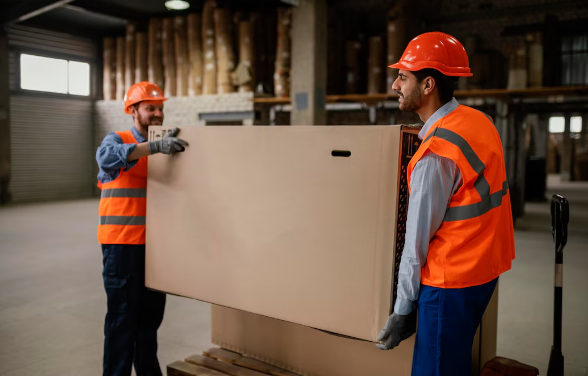
Plant Relocation Services: A Step-by-Step Guide for Manufacturers
Moving a manufacturing facility is one of the most demanding projects a business can undertake. Production schedules, expensive machinery, employee coordination, and customer commitments all remain active while the relocation is being planned. Unlike an office move, a plant relocation involves equipment that may weigh several tons, complex utility connections, and production lines where every component depends on the next.
This is why many manufacturers invest in professional plant relocation services rather than attempting to manage the process internally. A well-planned relocation protects equipment, minimizes downtime, and gives businesses a chance to improve operations as they transition into a new facility. While every project is different, the most successful relocations usually follow a clear process that starts long before the first machine is disconnected.
Planning Begins Months Before the Move
The actual move may take days or weeks, but the planning stage often starts months in advance. This phase determines how smoothly everything else will unfold. Companies begin by evaluating the equipment that needs to be relocated, documenting production processes, and identifying the order in which systems can be taken offline.
Manufacturing facilities are highly interconnected environments. Conveyor systems feed production lines, control systems communicate with machinery, and electrical infrastructure supports nearly every stage of the operation. Moving equipment without understanding these relationships can create unnecessary delays and expensive mistakes. That is why experienced teams spend considerable time mapping out how every component interacts with the rest of the facility before creating a relocation strategy.
Professional industrial plant relocation services place a strong emphasis on preparation because even small oversights can have major consequences later. Missing documentation, inaccurate equipment inventories, or unrealistic timelines often become the source of delays once the relocation begins. Careful planning may not be the most visible stage of the project, but it is usually the most important.
Establishing a Realistic Timeline
Manufacturers naturally want to complete relocations quickly. Every day of downtime can affect customer orders, production targets, and revenue. Still, speed should not come at the expense of accuracy or safety.
The best relocation schedules are realistic rather than aggressive. Teams assess how long equipment dismantling will take, determine transportation requirements, and coordinate installation activities at the new facility. Some operations may continue running during certain phases of the project, while others may need to shut down completely for a short period.
Unexpected issues also need to be considered. Transportation delays, weather conditions, permit approvals, and facility modifications can all affect schedules. Building flexibility into the timeline helps businesses adapt when circumstances change instead of scrambling to recover from missed deadlines.
Experienced plant relocation services providers understand that successful projects are rarely the fastest ones. They are the projects where planning, execution, and communication remain aligned from start to finish. A carefully managed schedule reduces stress for everyone involved and creates a smoother transition overall.
Dismantling Equipment Requires Precision
Industrial machinery is designed to operate with precision, and it should be dismantled with the same level of care. Production equipment, conveyors, robotics, and automated systems often contain components that must be disconnected in a specific sequence. Improper handling can damage sensitive equipment or create confusion during reinstallation.
This stage is where documentation becomes incredibly valuable. Every cable, control panel, and mechanical component should be labeled and recorded. Detailed inventories ensure that nothing is misplaced and help installation teams understand how systems should be reassembled at the new location.
An experienced factory relocation company knows that dismantling is about much more than taking equipment apart. It is about preserving the integrity of every system so that production can resume efficiently after the move. Careful packaging, proper handling, and organized transportation all begin during this phase.
Manufacturers sometimes underestimate how much time dismantling requires. Rushing this stage often leads to delays later because installation teams spend extra hours identifying missing components or correcting avoidable mistakes. Investing time upfront usually saves far more time during reassembly.
Transportation Is a Project of Its Own
Transporting industrial equipment involves far more than loading machinery onto trucks. Many manufacturing assets are oversized, unusually heavy, or highly sensitive to movement. Specialized trailers, rigging equipment, and transportation permits are often required.
Some machines must remain upright during transit. Others require custom supports or climate-controlled transportation to prevent damage. Coordinating these details takes experience and careful scheduling.
Timing also plays an important role. Equipment should arrive at the new facility when installation teams are ready to receive it. Delivering machinery too early can create storage challenges, while late deliveries can delay commissioning and production restart schedules.
Because transportation is so closely tied to installation, many manufacturers prefer turnkey industrial plant relocation services that handle both aspects together. Keeping transportation and installation under a unified plan simplifies communication and reduces the risk of scheduling conflicts.
The logistics may seem overwhelming at first, but with proper coordination, transportation becomes a controlled and predictable part of the relocation rather than a source of uncertainty.
Preparing the New Facility
A relocation is only as successful as the facility receiving the equipment. Before machinery arrives, the building itself needs to be evaluated and prepared.
Electrical systems may require upgrades to support production equipment. Compressed air lines and utility connections often need modifications. Floor loading capacities must be verified, and equipment layouts should be reviewed to ensure efficient workflows.
This preparation phase gives manufacturers an opportunity to improve operations instead of simply recreating the old facility. Production lines can be reorganized for better efficiency, storage areas can be optimized, and future expansion plans can be incorporated into the design.
Many businesses work with a facility management company during this stage because facility experts help coordinate infrastructure upgrades, maintenance planning, and operational readiness. Their involvement helps ensure the building is prepared not only for the equipment arriving today but also for the company’s long-term goals.
Treating the new facility as a blank slate often leads to better outcomes than trying to duplicate every aspect of the previous location.
See also: What Businesses Should Consider When Choosing Corporate Apparel
Reinstallation and Commissioning
Once equipment arrives at the new facility, the focus shifts to installation and testing. Machines must be positioned accurately, aligned correctly, and connected to utilities according to manufacturer specifications. Electrical systems require inspection, control systems need to communicate properly, and safety systems must be verified before production can begin.
This phase rewards good planning. Facilities that maintained detailed records during dismantling often experience faster and smoother installations. Teams know exactly where components belong and can troubleshoot issues more efficiently if they arise.
An experienced factory relocation company approaches commissioning methodically. Individual machines are tested first, followed by integrated system testing that confirms everything works together as intended. Production may restart gradually while teams monitor performance and make adjustments where necessary.
The goal is not simply to power machines back on. The objective is to ensure the new facility operates reliably, safely, and efficiently from the beginning. Taking the time to test systems thoroughly helps prevent disruptions after operations resume.
Communication Keeps the Project on Track
Plant relocations involve a large number of people. Operations managers, production teams, contractors, engineers, transportation providers, and executives all need visibility into the project.
Clear communication helps everyone understand schedules, responsibilities, and progress. It also allows teams to identify challenges early and respond before they become serious problems.
Even the best relocation plans require adjustments along the way. Equipment deliveries may shift, installation timelines may change, or facility upgrades may take longer than expected. Businesses that maintain open communication adapt more easily because stakeholders understand what is happening and why.
Strong project management creates confidence during these situations. Manufacturers know what to expect, contractors stay aligned, and leadership can make informed decisions based on accurate information.
Every plant relocation comes with its own challenges, but with the right planning and expertise, the transition can become an investment in your company’s future. From minimizing downtime to optimizing facility layouts, thoughtful relocation strategies make a lasting difference. Get in Touch to learn how experienced relocation specialists can support your next move.