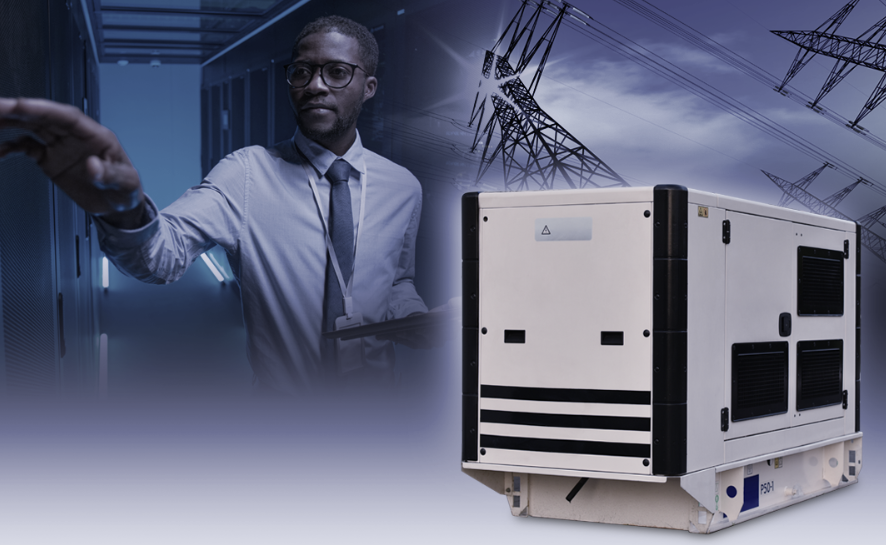
Uninterruptible Power Source: Ensuring Continuous Power for Critical Systems
In today’s fast-paced digital world, the continuous supply of electricity is essential for both households and businesses. Any unexpected power disruption can result in significant losses, from data corruption and equipment damage to operational downtime. This is where an uninterruptible power source (UPS) becomes an invaluable asset. An uninterruptible power source provides a reliable backup power solution that ensures critical systems remain operational during outages, voltage fluctuations, or other power anomalies.
What is an Uninterruptible Power Source?
An uninterruptible power source is an electrical device designed to provide emergency power to a load when the main power supply fails. Unlike conventional backup generators that take time to start, a UPS delivers instantaneous power, preventing interruptions that can damage sensitive electronic equipment. UPS systems are widely used in environments where power continuity is crucial, such as data centers, hospitals, industrial facilities, and office networks.
See also: How WPS Office improves workflow with cloud collaboration and document sharing options
How Does an Uninterruptible Power Source Work?
A UPS works by supplying power from its internal batteries when it detects a failure or instability in the main electrical supply. There are three main types of UPS systems:
- Offline/Standby UPS: This is the most basic type, which provides battery power only when a power failure occurs. It is suitable for small office equipment and personal computers.
- Line-Interactive UPS: This system regulates voltage fluctuations without switching to battery power immediately. It is ideal for environments with frequent voltage drops or spikes.
- Online/Double-Conversion UPS: The most advanced type, which continuously converts incoming AC power to DC and then back to AC. This ensures a completely stable power output, making it perfect for critical applications like data centers and medical equipment.
Each type has its advantages and is chosen based on the sensitivity of the equipment and the required level of protection.
Benefits of Using an Uninterruptible Power Source
Investing in an uninterruptible power source offers numerous benefits:
- Continuous Power Supply: Provides instant backup power during outages, preventing disruptions in operations.
- Protection Against Power Surges: Shields sensitive electronics from voltage spikes, surges, and fluctuations.
- Data Protection: Reduces the risk of data loss and corruption in computers and servers.
- Equipment Longevity: Prevents damage to sensitive devices caused by inconsistent power supply.
- Peace of Mind: Ensures businesses and critical services continue running smoothly without unexpected interruptions.
Applications of an Uninterruptible Power Source
The versatility of UPS systems allows them to serve a wide range of applications:
- Data Centers: Ensures servers and networking equipment remain operational during power failures.
- Healthcare Facilities: Supports life-saving equipment in hospitals during electrical interruptions.
- Industrial Plants: Keeps production lines running and prevents costly downtime.
- Home Offices: Protects personal computers, modems, and home networks from unexpected outages.
- Telecommunication Systems: Maintains continuous communication services in critical infrastructure.
Maintenance and Best Practices
To maximize the efficiency and lifespan of an uninterruptible power source, proper maintenance is essential:
- Regular Battery Checks: Batteries should be inspected and tested periodically to ensure reliable backup.
- Clean Environment: UPS units should be installed in dust-free, ventilated areas to prevent overheating.
- Load Management: Ensure the connected devices do not exceed the UPS capacity.
- Firmware Updates: Keep the UPS software and firmware up-to-date for optimal performance.
Frequently Asked Questions (FAQs)
Q1: How long can a UPS provide power during an outage?
A UPS typically provides power for a few minutes to several hours, depending on the battery capacity and the load connected. It is designed to allow safe shutdown or switch to alternative power sources.
Q2: Can a UPS replace a generator?
No, a UPS provides short-term power backup, whereas generators offer long-term solutions. Both are often used together for comprehensive protection.
Q3: Are all UPS systems suitable for sensitive electronics?
While most UPS systems offer basic protection, online/double-conversion UPS systems provide the highest level of stability, ideal for sensitive equipment.
Q4: How do I know which UPS is right for me?
The choice depends on the total load, sensitivity of devices, acceptable downtime, and the type of power disturbances in your area.
Q5: How often should a UPS battery be replaced?
Typically, UPS batteries last 3–5 years, but regular testing is recommended to ensure they perform when needed.
Conclusion
An uninterruptible power source is no longer a luxury; it is a necessity in modern technology-driven environments. By providing instantaneous and reliable power backup, a UPS safeguards critical systems, protects valuable data, and ensures operational continuity. Whether in a business setting, healthcare facility, or home office, investing in a UPS is a proactive step toward mitigating the risks associated with power disruptions. Proper selection, installation, and maintenance of your UPS will guarantee peace of mind and uninterrupted performance, even in the face of unexpected electrical failures.